
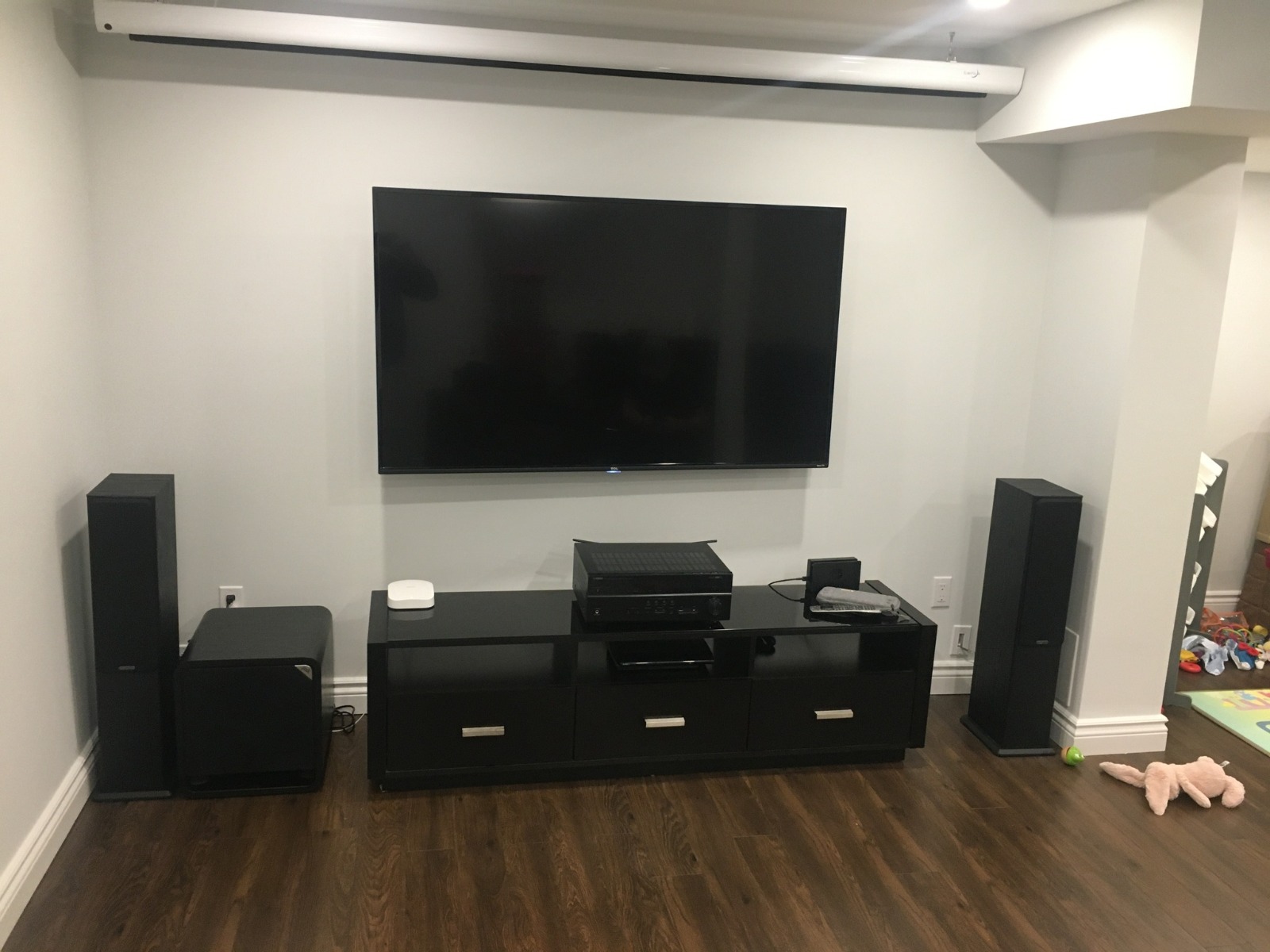
Home Theater Upgrade: 10 Questions Before Installing In-Wall Speakers
If you’re thinking of taking your home theater to the next level, in-wall speakers are a great way to create a clean, cinematic experience. They expand your soundstage while freeing up floor space and giving your room a sleek, modern look.
But before you start cutting drywall, pause and ask yourself these 10 essential questions. The answers will help you avoid costly mistakes, choose the right components, and get the most out of your upgrade.
1. What is my room’s acoustics like?
Every room behaves differently acoustically. Hard surfaces may cause echoes, while carpeted or padded rooms absorb sound. Measure the room and note irregularities. Knowing your acoustics will help you decide whether you need panels, bass traps, or strategic placement.
2. Do I already have a sound system compatible with in-wall speakers?
Check if your receiver supports Dolby Atmos or 5.1/7.2 setups. Ensure it has enough outputs and up-to-date firmware. Older receivers may require an upgrade before expanding channels.
3. What is my budget for the upgrade?
In-wall speakers range from $200 to $2,000 per channel. Add costs for wiring, hardware, and installation. Always allocate a 10–15% contingency for unexpected needs.
4. Where do I plan to mount the speakers?
Placement impacts sound clarity, imaging, and bass. Map out your room and determine ideal height and angle. Avoid placing speakers too low or too close to edges where sound can reflect poorly.
5. Will I need extra wiring or cabling?
In-wall speakers often require heavy-gauge wire (12/2 or 14/2). If you’re not confident running cables through walls, hire an installer. Proper wiring prevents signal loss and improves audio performance.
6. Do I want a fully integrated or hybrid speaker system?
Some homeowners go fully in-wall for fronts, rears, and heights. Others combine in-wall units with ceiling or standalone speakers. Choose a design that fits your room and listening preferences.
7. Will I need to modify or reinforce the wall?
Installing in-wall speakers requires cutting holes and adding brackets. Some walls may need reinforcement, especially if the speakers are heavy. Consider placing them near stud walls and consult a pro if unsure.
8. What about future expansion?
Plan for possible upgrades like additional zones, subwoofers, or new receivers. Leaving room for extra wiring now can save you hundreds later.
9. How will I manage speaker cables?
Proper cable management keeps your setup tidy and prevents interruptions. Use in-wall conduits or baseboard pathways. Label each cable at both ends for easy troubleshooting later.
10. Am I comfortable troubleshooting and maintaining the system?
After installation, maintenance is key:
- Clean dust from speaker grilles
- Verify connections periodically
- Update firmware when needed
If this feels overwhelming, consider professional installation and ongoing support.
Final Thoughts
Installing in-wall speakers can transform any room into a cinematic sanctuary. With careful planning and the right tools, your upgrade will deliver immersive audio and enhance your home theater’s overall look.
When in doubt, consult an AV professional like The Audio Guy to ensure optimal performance and long-term reliability.
FAQs
- 1. What are in-wall speakers?
- In-wall speakers are audio units installed inside wall cavities, offering a clean and space-saving design without compromising sound quality.
- 2. Is it difficult to install in-wall audio speakers?
- Installation involves cutting, wiring, and mounting. Professional help is recommended for best performance.
- 3. Do in-wall speakers offer the same sound quality as traditional ones?
- Yes. High-quality in-wall speakers, when installed properly, can match the performance of traditional speakers.
- 4. Can I use in-wall speakers for music and movies?
- Absolutely. They provide excellent sound for both music and cinematic audio.
- 5. Will in-wall speakers damage my walls?
- Minimal damage occurs when installed correctly. Proper planning helps avoid hitting studs, wiring, or pipes.